Guides
Solar PV Information
Solar PV (Photovoltaic) systems generate electricity by converting sunlight into usable energy for homes and businesses. A well-designed solar PV system reduces energy bills, lowers carbon emissions, and provides long-term energy security.
Which System Should You Go For
Choosing the correct solar PV system depends on your roof space, energy consumption, budget, and future plans such as battery storage. A tailored design ensures maximum efficiency and return on investment.
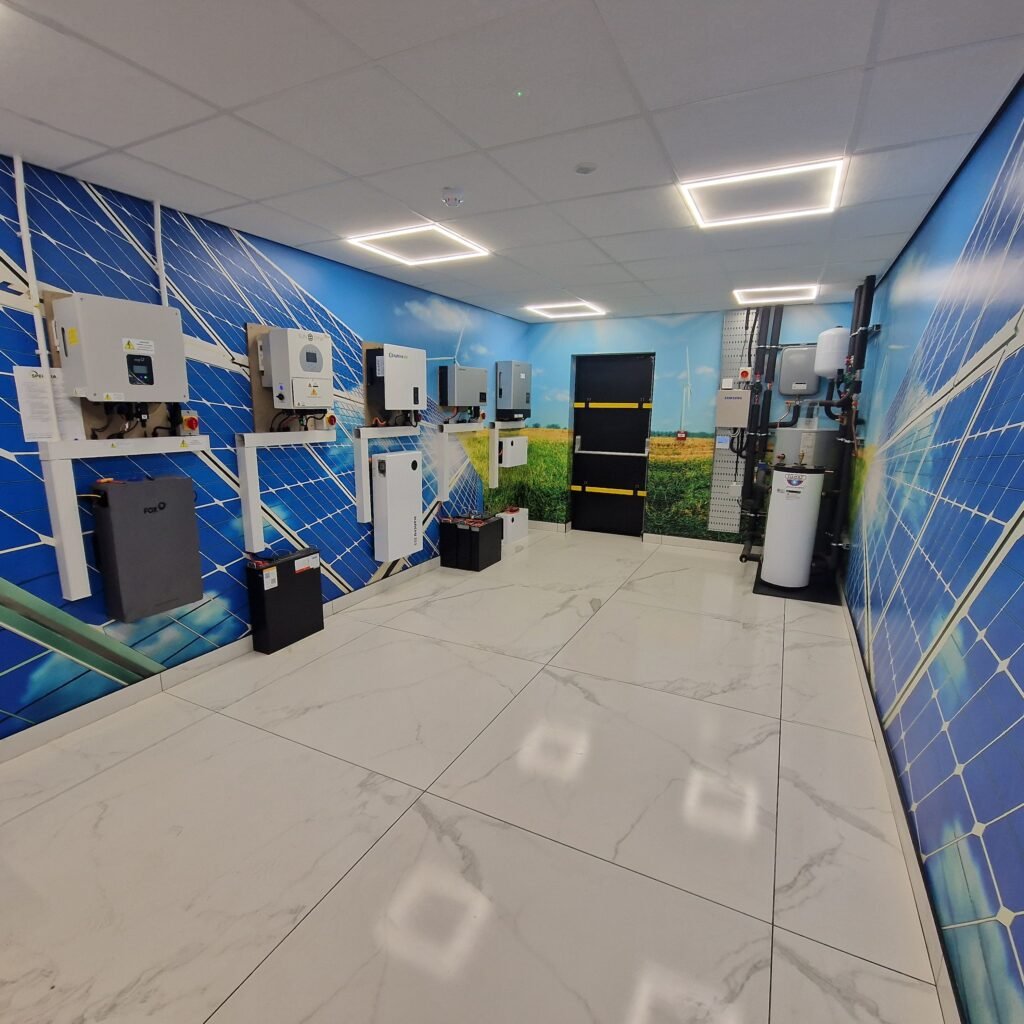
String, Hybrid & AC Coupled Systems
String Inverter Systems – A simple and cost-effective option, suitable for properties with minimal shading.
Hybrid Systems – Designed to work with batteries, allowing you to store excess solar energy for later use.
AC Coupled Systems – Ideal for adding battery storage to an existing solar PV system.
(Links to individual system pages can be added here.)
The Process of Buying Solar
The solar journey starts with an initial consultation, followed by a survey, system design, quotation, professional installation, testing, and ongoing monitoring and support.
Things to Watch Out For
Be cautious of poor-quality equipment, installers without certifications, unrealistic savings claims, and companies that offer no long-term support or warranties.
Accreditations
A reliable solar installer should be registered with recognised bodies such as MCS, NAPIT, HIES, Companies House, and Which Trusted Trader to ensure compliance and consumer protection.
Scaffolding
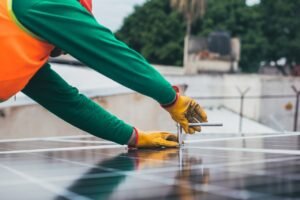
Professional scaffolding is used during installation to ensure safety, protect your property, and allow engineers to work efficiently at height.
In-Roof and On-Roof Systems
In-Roof Systems integrate solar panels into the roof structure for a sleek, modern finish.
On-Roof Systems mount panels above existing tiles and are a more cost-effective and widely used option.
Mounting Kit Differences for Different Roof Types
Different roof types require specific mounting systems, including tile, slate, metal, and flat roofs. Using the correct mounting kit ensures strength, durability, and weather resistance.
Brands
We install only trusted and proven solar panel, inverter, and battery brands to guarantee performance, reliability, and long-term warranties.
Sizing
Correct system sizing is based on your electricity usage, roof area, and future energy needs, ensuring optimal production and savings.
Software
Advanced monitoring software allows you to track solar generation, energy usage, and system performance in real time via mobile or desktop apps.
Shading and Panel Angle
Shading from trees or buildings and incorrect panel angles can reduce system efficiency. Proper design ensures panels are positioned for maximum output.
Payback Periods & Consumption
Most solar PV systems achieve payback within 5–8 years, depending on energy consumption, system size, and electricity prices.
Online Checks
Customers can verify installers and companies through:
NAPIT
MCS
HIES
Companies House
Which Trusted Trader
Choose a Company That Looks After You in the Future
Many installers focus only on installation. Choosing a company that offers long-term maintenance, repairs, and upgrades protects your investment.